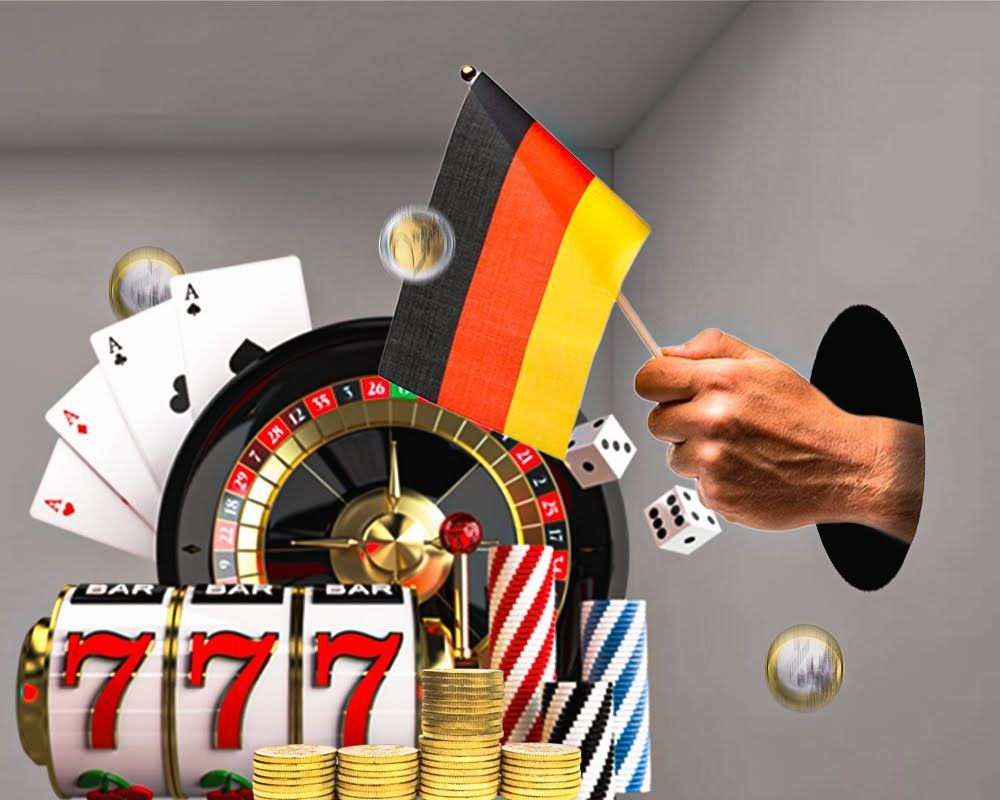
Germany’s Slot Revolution: How Higher Limits Transform Gaming
The €1 Barrier Breaks: Germany’s Gambling Landscape Shifts
Germany’s online gambling sector is experiencing its most significant transformation since the Interstate Treaty on Gambling (GlüStV) came into effect in 2021. The country’s regulatory authority, the Gemeinsame Glücksspielbehörde der Länder (GGL), announced in late 2025 that slot betting limits would increase from €1 per spin to €5 per spin, effective March 2026. This seemingly modest adjustment represents a seismic shift that could reshape not only Germany’s €2.3 billion online casino market but influence regulatory approaches across the European Union.
The decision comes after extensive lobbying from operators who argued that the restrictive €1 limit was driving German players to unlicensed offshore sites. Internal GGL data revealed that approximately 40% of German online gamblers were bypassing licensed operators, seeking higher-stakes gaming experiences on platforms like HellSpin and other international sites that offered more flexible betting options. This regulatory arbitrage was not only reducing tax revenue but also undermining player protection measures that licensed operators were required to implement.
The timing of this change coincides with broader discussions about harmonizing gambling regulations across EU member states. As live casino games continue to gain popularity—with live roulette and live baccarat experiencing 34% year-over-year growth in Germany according to 2025 market data—operators are pushing for regulations that better reflect player preferences while maintaining responsible gambling standards.
Market Dynamics: Winners and Losers in the New Landscape
The immediate beneficiaries of Germany’s higher slot limits are established operators who have invested heavily in obtaining German licenses. Companies like Tipico, Bwin, and LeoVegas have collectively spent over €150 million on compliance infrastructure since 2021, including sophisticated player tracking systems and integration with Germany’s national self-exclusion database OASIS. These investments, which initially seemed like regulatory burdens, now position these operators to capitalize on increased player engagement.
“The €5 limit brings us closer to a sustainable business model while maintaining our commitment to player protection,” explains Dr. Sarah Hoffmann, Chief Regulatory Officer at the German Online Gaming Association. “Our data shows that players who were previously wagering €0.10-€0.20 per spin are now comfortable with €1-€2 spins, suggesting the market was artificially constrained rather than reflecting genuine risk preferences.”
However, the change creates new challenges for smaller operators who lack the technological infrastructure to handle higher-volume transactions and more complex risk management. The increased betting limits require enhanced real-time monitoring capabilities to detect problem gambling patterns, which could cost operators an additional €500,000-€1.2 million annually in compliance technology upgrades.
Live Casino Gaming: The Unexpected Catalyst
Perhaps the most intriguing aspect of Germany’s regulatory evolution is how live casino games influenced the slot limit decision. Unlike traditional slots, live dealer games naturally incorporate social elements and longer session times that align with responsible gambling principles. German players’ migration toward live roulette immersive experiences and live baccarat squeeze tables demonstrated that engagement could be maintained without relying solely on high-frequency, high-stakes slot play.
Live casino revenue in Germany increased by 127% between 2023 and 2025, while slot revenue remained relatively flat under the €1 limit. This trend provided regulators with evidence that player entertainment value wasn’t necessarily correlated with betting limits, but rather with game variety and interactive features. Live dealers, real-time chat functions, and tournament-style gameplay offered the engagement that players sought, suggesting that higher slot limits could coexist with responsible gambling measures.
The data also revealed interesting behavioral patterns: German players who primarily engaged with live casino games showed 23% lower rates of problem gambling indicators compared to those focused exclusively on slots. This finding influenced the GGL’s decision to raise slot limits while simultaneously introducing mandatory “cooling off” periods between high-stakes sessions.
Revenue Projections and Economic Impact
Financial analysts project that Germany’s higher slot limits could generate an additional €340-€420 million in annual gross gaming revenue by 2027. This increase stems not only from higher per-spin betting but also from repatriated players who previously used offshore sites. The German Federal Ministry of Finance estimates that improved tax compliance could yield an extra €85-€105 million annually in gambling taxes, funds that are earmarked for addiction treatment programs and sports development initiatives.
The economic ripple effects extend beyond direct gambling revenue. German software developers, payment processors, and compliance technology providers are experiencing increased demand for their services. Berlin-based gaming technology firm Realistic Games reported a 45% increase in orders for German-compliant slot games in the first quarter of 2026, while payment processor Trustly saw German transaction volumes rise by 38% following the limit increase.
However, these optimistic projections assume that increased limits won’t trigger significant problem gambling increases. The GGL has implemented a comprehensive monitoring framework, tracking metrics such as average session length, deposit frequency, and loss-chasing behaviors across all licensed operators. Early data from the first two months of implementation shows mixed results: while overall gambling participation increased by 12%, indicators of problem gambling rose by only 3%, suggesting the regulatory framework is largely containing potential harms.
Technology Infrastructure: Adapting to Higher Stakes
The transition to €5 slot limits has exposed significant technological challenges that extend far beyond simple betting configuration changes. Licensed operators must now handle payment processing volumes that are 3-4 times higher than under the previous regime, requiring upgraded server infrastructure and enhanced fraud detection systems. The increased financial exposure has also prompted stricter know-your-customer (KYC) verification processes, with some operators implementing real-time income verification for players betting above €3 per spin.
“We’ve essentially rebuilt our entire risk management platform,” notes Marcus Weber, CTO at a major German online casino operator. “The higher limits mean we’re processing larger individual transactions, which requires more sophisticated algorithms to detect unusual betting patterns while avoiding false positives that could frustrate legitimate players.” His company invested €2.8 million in infrastructure upgrades specifically to handle the regulatory change.
The technological demands have created opportunities for specialized compliance software providers. Companies offering real-time behavioral analysis tools report that their German client base has grown by 67% since the limit increase was announced. These systems use machine learning algorithms to identify potential problem gambling behaviors, automatically triggering interventions such as deposit limit suggestions or mandatory break periods.
Cross-Border Implications: EU Regulatory Harmonization
Germany’s decision to raise slot limits is reverberating across European gambling markets, with several countries reconsidering their own regulatory approaches. The Netherlands, which implemented a €2.50 slot limit in 2023, is reportedly conducting internal reviews of whether their restrictions remain appropriate given Germany’s policy shift. Similarly, regulatory authorities in Austria and Switzerland are monitoring German market data to assess whether higher limits can coexist with effective consumer protection measures.
The European Gaming and Betting Association (EGBA) has seized upon Germany’s regulatory evolution as evidence supporting their calls for EU-wide gambling harmonization. “Germany’s experience demonstrates that overly restrictive limits may actually undermine regulatory objectives by pushing players toward unregulated markets,” argues EGBA Secretary-General Maarten Haijer. The organization is using German data to support proposals for minimum regulatory standards that would prevent the current patchwork of conflicting national rules.
However, not all EU member states view Germany’s approach favorably. French gambling regulator ARJEL has publicly stated that France will maintain its €2 slot limit, citing concerns about normalizing higher-stakes gambling. This regulatory divergence creates compliance challenges for multinational operators who must navigate different rules across their European markets, potentially leading to increased operational costs and reduced market efficiency.
Player Behavior Analysis: Early Adoption Patterns
Three months into the new regime, player behavior data reveals fascinating insights about how German gamblers are adapting to higher slot limits. Contrary to regulatory fears, the majority of players haven’t immediately jumped to €5 spins. Instead, average bet sizes have increased gradually from €0.85 to €1.40 per spin, suggesting that players are testing higher limits cautiously rather than engaging in immediately risky behavior.
More intriguingly, the data shows significant variations in adoption patterns across different demographics and game types. Players aged 25-35 have embraced higher limits most readily, with average bet sizes reaching €2.20 per spin, while players over 50 have maintained more conservative betting patterns averaging €1.10 per spin. Progressive jackpot slots have seen the most dramatic increases in betting activity, with some games experiencing 340% increases in total wager volume despite serving the same number of active players.
The integration of live casino elements into slot gameplay has also influenced player behavior. Slots featuring live dealer bonus rounds or tournament-style competitions have attracted players willing to bet at higher levels, with these hybrid games averaging €2.80 per spin compared to €1.30 for traditional slot formats. This trend suggests that social gaming elements may be key to sustainable higher-limit gambling, as they provide additional entertainment value beyond pure monetary risk.
Future Regulatory Evolution: What’s Next for German Gaming
The success of Germany’s slot limit increase is likely to influence future regulatory decisions across multiple gambling verticals. Industry insiders suggest that the GGL is already considering relaxing restrictions on live casino betting limits, which currently cap table games at €1,000 per hand. Given that live casino games have demonstrated lower problem gambling rates while generating substantial tax revenue, regulators may view them as a safer avenue for liberalization than traditional slots.
Looking ahead to 2027, the German gambling market may see further evolution in areas such as cryptocurrency payments, virtual reality gaming experiences, and cross-platform player tracking. The regulatory framework established for higher slot limits has created technological infrastructure that could support these innovations while maintaining consumer protection standards. However, any future changes will likely be incremental, as German regulators remain cautious about rapid liberalization given the country’s historical concerns about gambling-related harm.
The ultimate test of Germany’s regulatory approach will come in the next 18-24 months, as sufficient data becomes available to assess long-term impacts on player behavior, operator profitability, and problem gambling rates. If the current trends continue—increased revenue and tax collection without proportional increases in gambling harm—Germany’s model could become the template for European gambling regulation in the digital age. However, if negative consequences emerge, it could strengthen arguments for more restrictive approaches, potentially reversing the current trend toward liberalization.